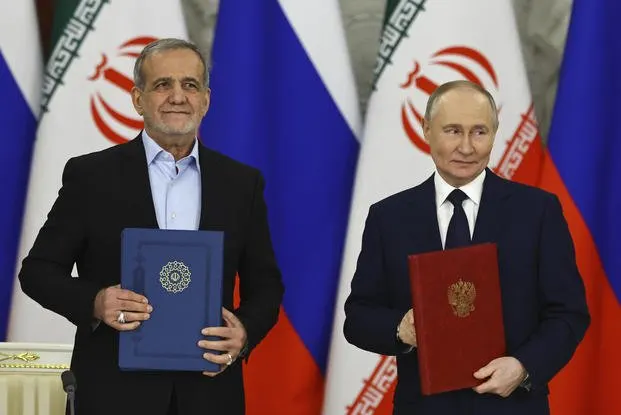
Shortly after a recent conflict ended, Iran has taken a dramatic step by deciding to end all relations with the International Atomic Energy Agency (IAEA). This decision marks a significant escalation in Tehran’s posture toward international oversight of its nuclear program.
Steps Taken by Iran
As soon as the conflict concluded, Iran’s government officially cut off cooperation with the IAEA. Iranian officials cited national sovereignty concerns and allegations of unfair international pressure as reasons.
This move includes rejecting all future site inspections, halting data sharing on nuclear material, and suspending official communications with the UN nuclear agency.
Russia’s Reaction
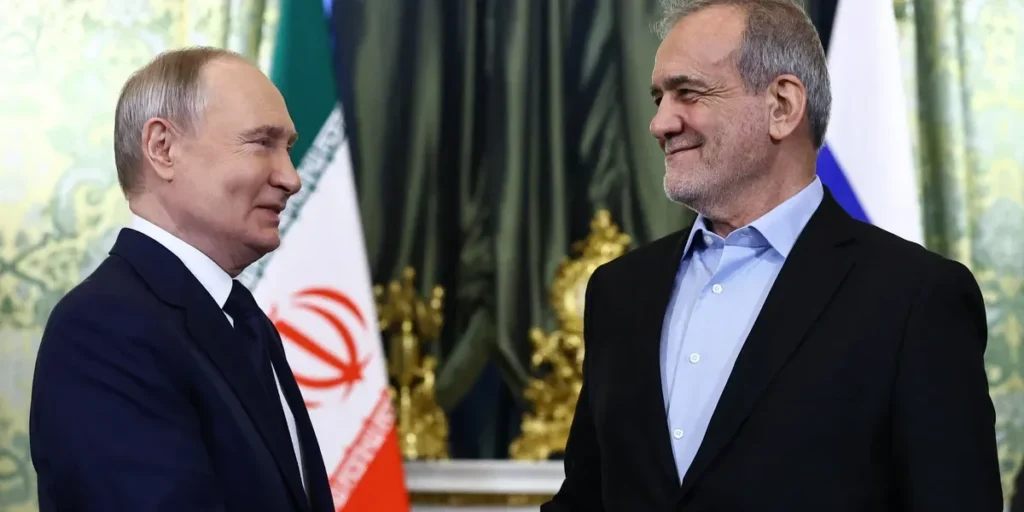
In response, Russia expressed concern and urged Iran to reconsider the decision. A senior diplomat from Moscow warned that ending relations with the IAEA could isolate Iran further and weaken its position in nuclear diplomacy.
Russia emphasized that cooperation with the IAEA is essential for transparency and preventing misunderstandings that might lead to renewed sanctions or tensions.
Why It Matters
- Global Nuclear Oversight
The IAEA is responsible for monitoring nuclear programs worldwide. Iran’s withdrawal from this oversight threatens to disrupt efforts to verify the peaceful nature of its nuclear activities. - Diplomatic Isolation
Without IAEA ties, Iran may lose the trust of other nations. This could lead to harsh international reactions, economic sanctions, and exclusion from key diplomatic talks. - Regional Security Implications
Middle East stability could suffer if Iran’s nuclear program goes unchecked. Countries in the region, including Israel, Saudi Arabia, and others, may feel increased threat. - Russian Influence
Russia holds important influence in the region through Iran. By asking Iran not to end IAEA ties, Moscow shows its desire to maintain calm and manage nuclear transparency.
Read More: Israel and Iran Agree to Ceasefire After Long Tensions
Possible Next Steps
- IAEA Response: The agency may issue protests, seek a resolution at its governing board, or raise the matter at the United Nations.
- Diplomatic Talks: Iran might face pressure from European Union leaders or the United States to restore cooperation and avoid escalation.
- Economic Fallout: If no compromise is reached, Iran may once again face financial penalties, reduced foreign investment, and further diplomatic isolation.
Final Words
Iran’s decision to cut ties with the IAEA is a major shift with wide-reaching consequences. It challenges global nuclear oversight and raises questions about future diplomacy and security in the region. Russia’s request for restraint highlights concerns over possible destabilization.
Observers will closely watch whether Iran reconsiders or furthers the separation. The next few weeks will be critical in determining whether diplomacy or deeper divides shape the future of Iran’s nuclear engagement.
Disclaimer: This article is based on official government statements and verified news updates as of June 26, 2025. Diplomatic developments and international responses may evolve over time.