The India vs Pakistan match in the Asia Cup 2025 Super Four was full of drama, tension, and high-class cricket. Fans waited eagerly for this clash, and the game did not disappoint. India showed their power with the bat and beat Pakistan by 6 wickets in a thrilling chase.
Pakistan’s Innings: A Mixed Show
Pakistan batted first and finished their 20 overs with 171 runs on the board. The start was steady, but the team could not keep the same momentum later. Opener Sahibzada Farhan played the best innings for Pakistan, scoring 58 runs with confidence. He kept the scoreboard moving with timely boundaries.
Other batters also made starts, but India’s bowlers kept things under control. Whenever Pakistan looked set to accelerate, they lost a wicket at the wrong time. This stopped them from crossing the 180-run mark, which could have been more challenging for India.
India’s Bowlers Hold Their Ground
The Indian bowlers did not allow Pakistan to dominate. They bowled with discipline, keeping the batters in check. Even though India missed a few catches in the field, they managed to restrict Pakistan to a total that was chaseable. The bowlers showed good control in the death overs and did not let Pakistan finish strong.
Abhishek Sharma Shines Bright
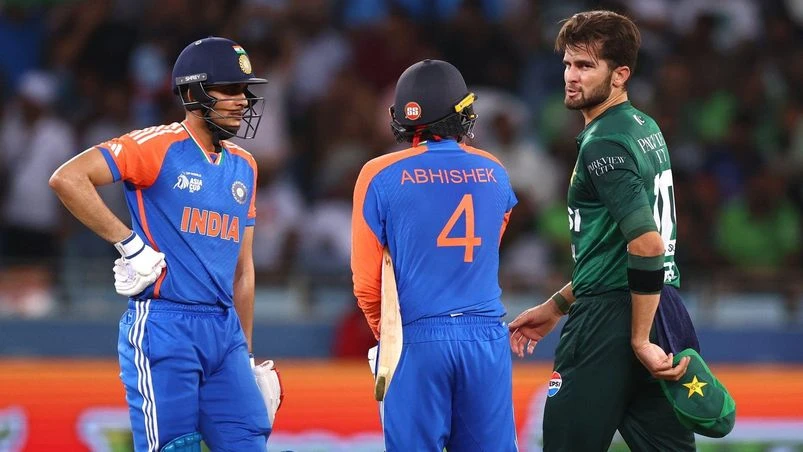
The star of the night was Abhishek Sharma. Opening the innings, he played fearless cricket. His 74 runs came in just 39 balls, filled with big hits and quick running. He attacked the Pakistani bowlers from the start and gave India the momentum they needed.
Sharma’s innings was a mixture of power and timing. He hit boundaries all around the ground and made sure India never fell behind the required run rate. His batting was the turning point of the match and left fans praising his talent.
Shubman Gill Plays His Part
Shubman Gill, opening with Abhishek Sharma, also played a crucial role. He scored 47 runs from 28 balls, supporting Sharma perfectly. The partnership between the two openers was the key moment of the chase. Together, they added 105 runs and almost killed the match in the first half of the innings.
Gill’s shot selection and calmness at the crease showed his class. Even though he missed out on a half-century, his innings was vital in setting up the win.
Pakistan’s Struggles in the Field
Pakistan had a few chances to fight back, but they could not take them. Dropped catches and missed opportunities hurt them badly. Their bowlers tried to make a comeback but could not stop India’s aggressive approach.
Read More: Abhishek Sharma Net Worth 2025: IPL Salary, BCCI Income, and Earnings Breakdown
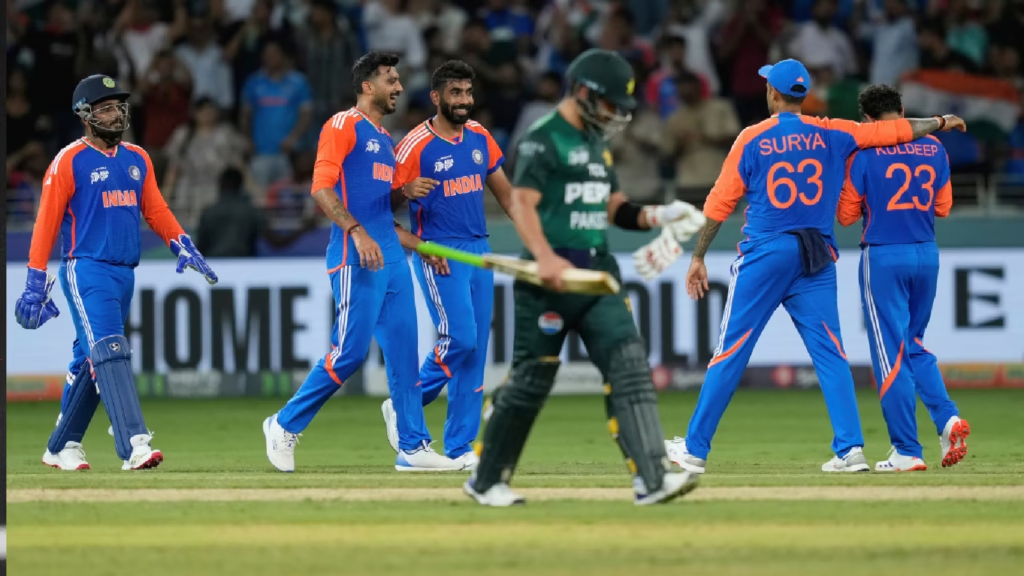
The lack of finishing touch in both batting and bowling made a big difference for Pakistan. The team will need to improve in upcoming matches if they want to stay alive in the tournament.
India’s Winning Moment
India chased the target of 172 runs with 7 balls to spare. The calm finish showed the maturity of the batting line-up. After the strong opening partnership, even when wickets fell, India stayed in control and reached the target without panic.
The crowd celebrated loudly as India sealed the win. The players showed unity and confidence, proving why they are among the strongest teams in world cricket.
Drama Beyond the Cricket
The match also had some drama outside the game. There was no handshake between the two captains at the toss and after the match, which added to the tension. The rivalry between India and Pakistan remains as fierce as ever, making this clash even more special.
Final Thoughts
The India vs Pakistan Asia Cup 2025 Super Four clash will be remembered for Abhishek Sharma’s brilliant knock and the fearless opening partnership. India looked strong in every department and deserved their victory. For Pakistan, it was another missed chance where small mistakes cost them the game.
Fans around the world enjoyed every moment of this battle, and it once again proved why India vs Pakistan matches are the biggest thrill in cricket.
Disclaimer: This article is written for news and information purposes only. The match details are based on available reports and are simplified for easy reading.