The automobile sector in India has always been one of the country’s strongest industries. It not only provides millions of jobs but also supports exports and boosts the economy. Now, with the proposed trade deal between India and the European Union (EU), experts believe the auto industry could see a major transformation.
This deal is being called a “big chance” for car makers, auto component suppliers, and related businesses. Let us explore why this agreement matters, how it can help the industry, and what challenges may come along.
What Is the India-EU Trade Deal?
A trade deal, also called a Free Trade Agreement (FTA), is a pact between countries to make trading goods and services easier. It usually lowers import duties, reduces taxes, and cuts restrictions.
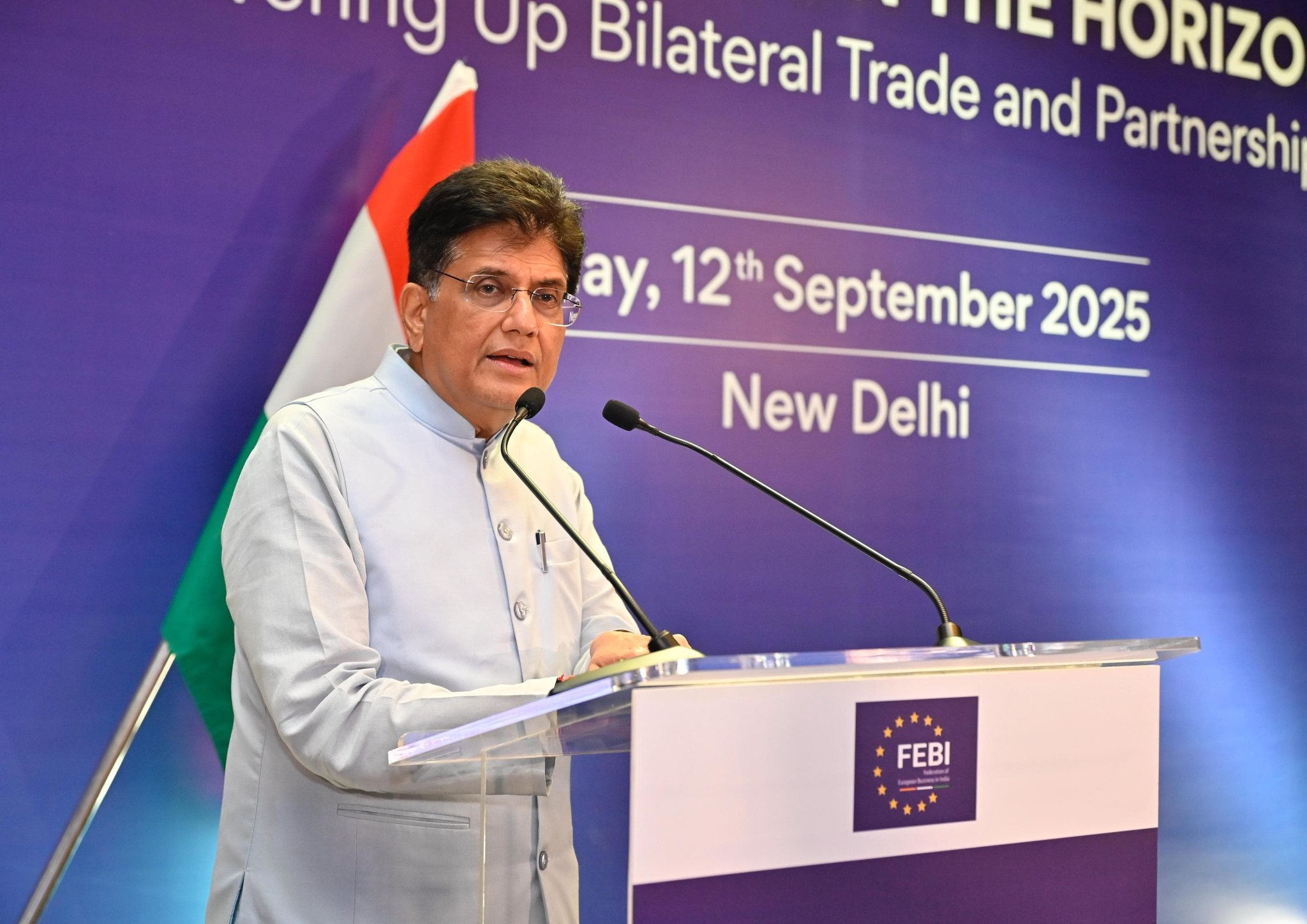
For India and the EU, this deal aims to improve trade and investment in multiple sectors. Automobiles and auto components are expected to be one of the biggest winners because both regions have strong demand and supply chains.
Opportunities for the Auto Industry
- Increase in Exports
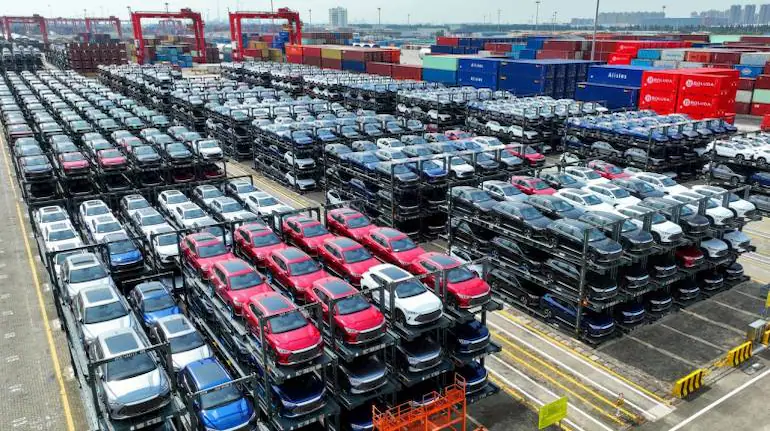
Indian car makers will be able to sell more vehicles in European countries at lower prices. Reduced import duties mean cars from India will be more affordable in Europe. - Growth in Auto Components
India’s auto component sector is already a global supplier. With the deal, companies can export parts like engines, batteries, and accessories at competitive rates. This will bring more business to Indian manufacturers. - More Investments
The EU has many global auto brands. With this agreement, European companies may invest more in India by setting up factories, research centers, and joint ventures. This can create jobs and bring new technology. - Boost to Electric Vehicles (EVs)
Europe is moving fast toward electric mobility. If the deal happens, Indian EV companies can find new markets in Europe, while European EV makers can bring advanced technology to India.
Impact on Car Prices
One of the biggest benefits for customers could be lower car prices. If import duties are reduced, cars imported from Europe may become cheaper in India. At the same time, Indian cars sent to Europe will also be more affordable for European buyers. This win-win situation can make the market more competitive and customer-friendly.
Also Read: India’s Big Dream: Leading the World in Manufacturing
Challenges Ahead
While the deal offers big opportunities, there are also challenges:
- Competition: Indian companies may face tough competition from well-established European brands.
- Regulations: The EU has strict safety and emission rules. Indian manufacturers must upgrade their technology to match these standards.
- Long Negotiations: Trade deals take time to finalize, as both sides have to agree on many points.
Why It Matters for India’s Economy
The automobile industry is a backbone of India’s economy. It contributes nearly 7% of India’s GDP and provides direct and indirect employment to millions of people. With the India-EU trade deal, the sector can grow even faster, support more exports, and attract foreign investment.
This will not only strengthen the industry but also support India’s goal of becoming a global manufacturing hub.
Future Outlook
Experts believe that if the trade deal is signed soon, the auto industry in India will experience a new wave of growth. Companies are already preparing by upgrading technology, focusing on electric vehicles, and expanding their capacity.
The next few years will be crucial. If India can balance competition with opportunity, this deal could change the future of the auto industry forever.
Conclusion
The India-EU trade deal has the power to reshape the auto industry. From cheaper cars to stronger exports and more jobs, the benefits are huge. However, success will depend on how quickly companies adapt to global standards and use this opportunity. If done right, the deal could mark the beginning of a new era for Indian automobiles.
Disclaimer: This article is based on current industry discussions and public information. Actual results of the India-EU trade deal may vary depending on negotiations and future agreements.