
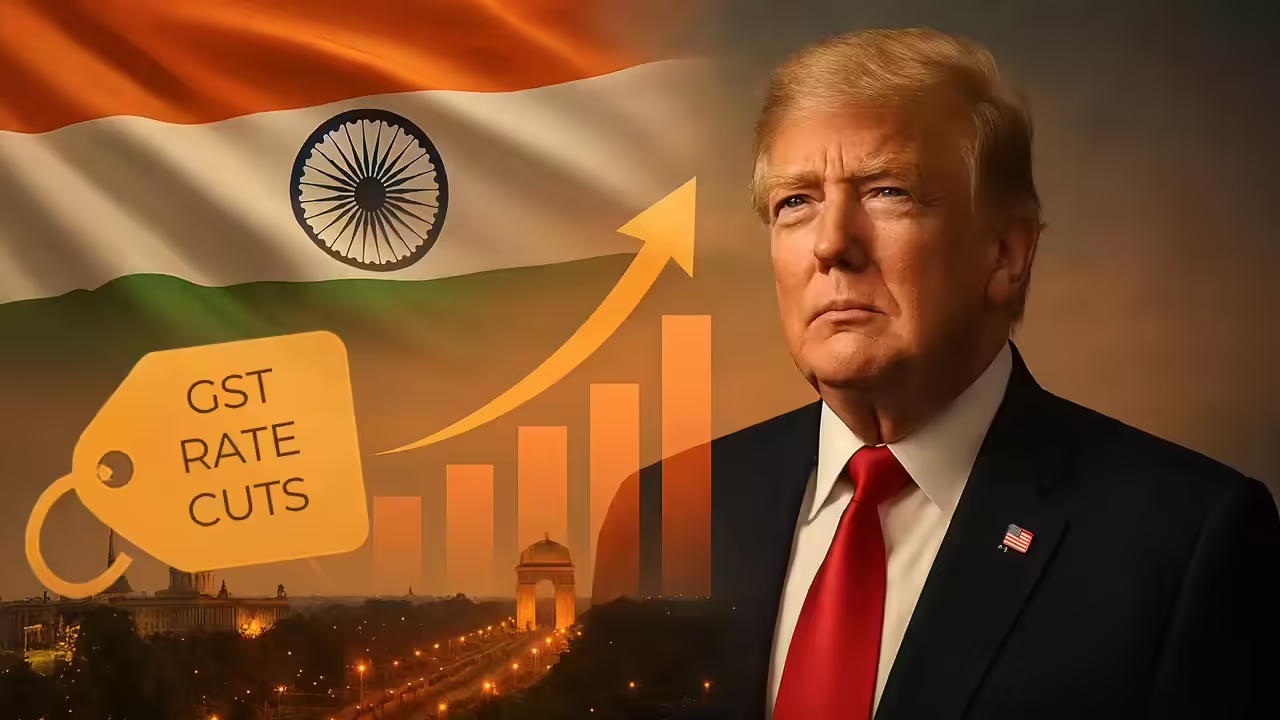
India has recently cut the Goods and Services Tax (GST) on several key items, and this decision is making headlines worldwide. Many international experts believe that reducing taxes can have a bigger impact on growth and trade than the tariffs that were imposed in the United States during Donald Trump’s presidency.
This discussion of GST cut vs Trump tariffs shows two different approaches to managing the economy: India using lower taxes to encourage spending, and Trump relying on higher import duties to protect local industries.
Understanding GST Cuts
GST is a tax applied across India on goods and services. When the government reduces GST rates, products become cheaper for consumers. This often increases demand, helping businesses sell more while keeping prices affordable for buyers.
The latest GST reductions in India focus on essential goods, manufacturing items, and some consumer products. The goal is to give financial relief to families and support industries that have faced slow growth in recent months.
What Were Trump’s Tariffs?
During his time in office, Donald Trump introduced higher tariffs on imported goods, especially from countries like China. The intention was to encourage people to buy local products and protect American companies.
However, economists argue that tariffs can increase prices, limit supply, and create trade tensions. While tariffs may benefit certain industries in the short term, they often hurt consumers and exporters over time.
Why Experts Prefer GST Cuts
Global economic analysts have praised India’s approach because:
- Boosts Consumer Spending: Cheaper goods mean people can buy more items, increasing overall demand.
- Supports Businesses: Companies can sell more, generate higher profits, and maintain employment levels.
- Encourages Economic Growth: More demand leads to higher production, which strengthens the economy naturally.
Read More: Atlanta Electricals IPO Review 2025: Should You Invest?

Lower taxes create a positive cycle of spending and growth, unlike tariffs, which can slow trade and cause conflicts between countries.
Benefits for Indian Consumers
The GST cut directly impacts everyday life in India. Products like electronics, household items, and clothing are now more affordable. Families can save money or use it for other essential expenses.
Middle-class households are likely to notice the most benefit, as the reduction helps stretch their monthly budget further.
Impact on Industry
Manufacturers and retailers are welcoming the move. With lower prices, more people are expected to buy products, which will increase sales and production. Exporters also benefit because lower taxes make Indian products more competitive in international markets.
Comparing the Two Policies
- GST Cut (India): Lowers taxes to encourage spending, production, and trade. Helps consumers, businesses, and the overall economy.
- Trump Tariffs (USA): Raised import duties to protect local industries. This often led to higher prices and trade friction with other countries.
Global experts suggest that tax reduction policies are more sustainable and effective than protective tariffs.
Conclusion
The debate of GST cut vs Trump tariffs highlights two very different strategies. India’s approach of reducing GST is helping both consumers and businesses, encouraging spending, and improving trade competitiveness. In contrast, tariffs often create price pressure and trade challenges.
With this GST reduction, India not only provides relief to its people but also signals to the world that economic growth can be achieay ved through openness and smart tax policy, rather than restrictive trade measures.
Disclaimer: This article is based on current economic information and expert opinions. The actual impact of GST cuts may vary depending on market conditions and future government policies.