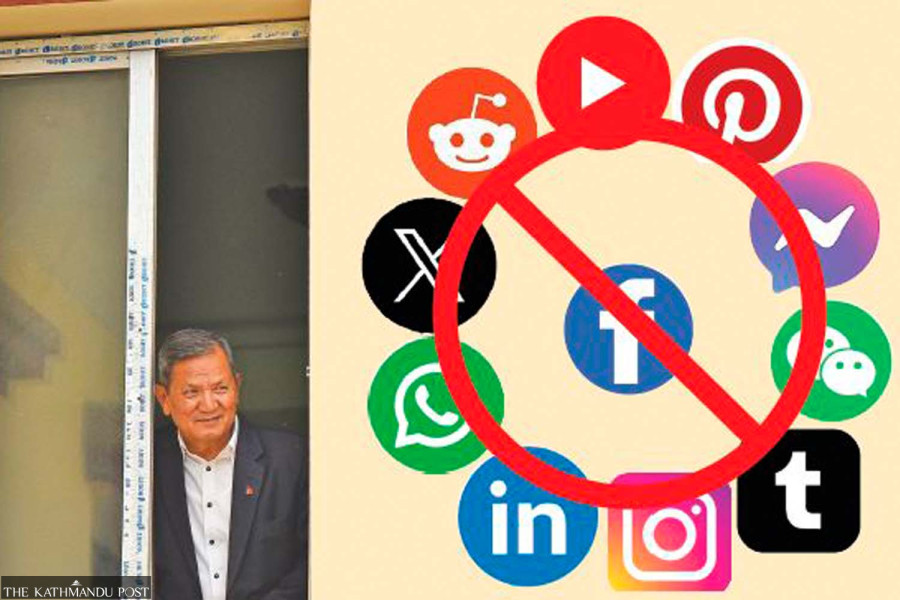
In September 2025, Nepal’s government shocked the public by announcing a ban on 26 popular social media platforms. The ban included major services such as Facebook, Instagram, WhatsApp, YouTube, X (formerly Twitter), LinkedIn, and Reddit. Only a few platforms like TikTok and Viber remain accessible because they agreed to the government’s new rules.
Why Did Nepal Ban Social Media?
The government introduced a new law requiring all global platforms to register locally in Nepal. The rules demanded that companies:
- Open a representative office in the country
- Appoint a grievance officer for user complaints
- Follow strict self-regulation and content monitoring policies
Officials said the aim was to stop the misuse of social media, such as the spread of fake news, cybercrime, and hate speech. However, many companies did not meet the compliance deadline, leading to a full ban on their services.
Impact on Citizens
The sudden ban has disrupted daily life across Nepal. Millions of people depend on these apps for communication, online business, education, and tourism services. Nepalis living abroad also rely on social media to stay in touch with their families, and this move has cut off one of their main communication channels.
For businesses, especially small entrepreneurs who use platforms for digital marketing, the ban has created uncertainty and financial strain.
Read More: Apple iPhone 17 Pro: Expected Specs, Design, and Launch Details
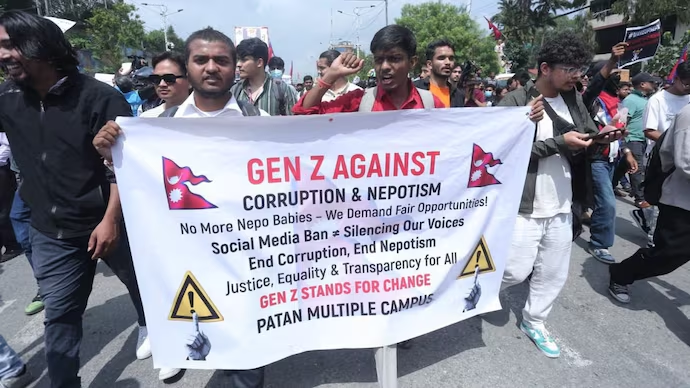
Public Reaction and Protests
The decision quickly triggered large-scale protests in Kathmandu and other cities. Thousands of young people took to the streets, demanding the restoration of access to their favorite platforms. Protesters called the move a direct attack on freedom of expression and digital rights.
Unfortunately, the demonstrations turned violent after clashes with security forces. Police used tear gas, rubber bullets, and water cannons to disperse the crowds. Reports confirmed that at least 10 protesters lost their lives, with dozens more injured. The government later imposed curfews around sensitive areas to control the unrest.
Concerns Over Freedom of Speech
Human rights activists, journalists, and opposition leaders have strongly criticized the ban. They argue that while regulation is important, an outright block on communication tools risks turning into censorship. Critics fear this move may weaken democratic values and limit people’s right to speak freely online.
Key Highlights of the Ban
| Aspect | Details |
| Ban Date | September 2025 |
| Platforms Banned | Facebook, Instagram, WhatsApp, YouTube, X, LinkedIn, Reddit, and more |
| Reason | Failure to comply with new government registration rules |
| Impact | Disrupted communication, business challenges, tourism impact |
| Public Response | Protests, with violence leading to deaths and injuries |
| Main Concern | Suppression of freedom of expression and democratic rights |
Conclusion
Nepal’s social media ban marks a historic and controversial step in the country’s digital journey. While the government claims it is working to ensure accountability and prevent misuse, critics view it as a severe restriction on freedom of speech. The coming weeks will be crucial in determining whether Nepal softens its stance or enforces even stricter digital regulations.
Disclaimer: This article is based on current developments and official announcements. Future updates may change or expand on the details provided.